
If you’ve walked through a grocery store lately, it feels like every single food is promising to do something extra for you. Support your gut. Increase protein. Technically, many of these products fall under the umbrella of “functional foods,” meaning they consistently help you meet your nutrient needs or provide added health benefits. But which ones are actually worth it?
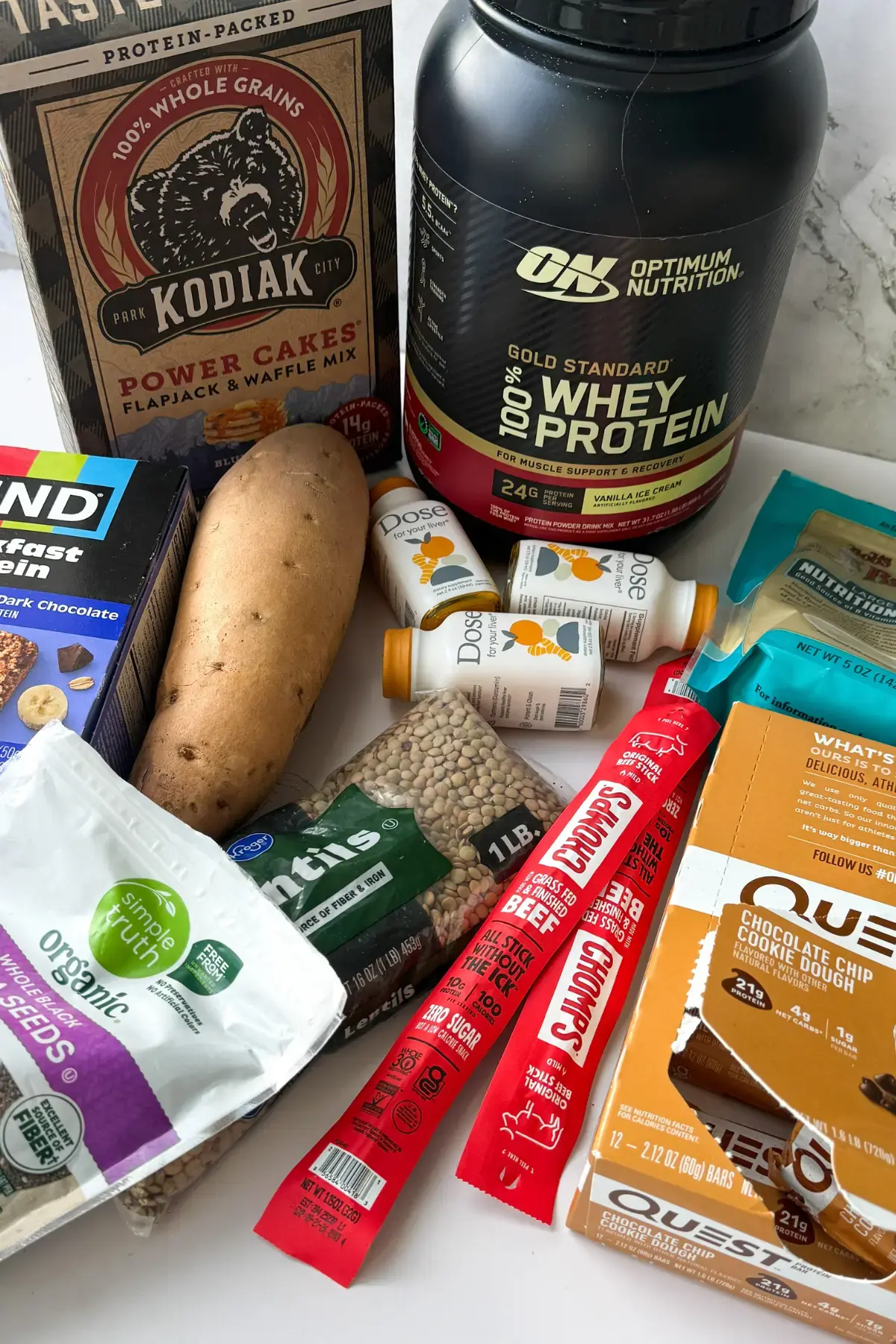
The market for functional foods just keeps on expanding, with evidence from multiple studies showing that the intake of functional foods can have an impact on the prevention of chronic diseases, especially cancer, cardiovascular diseases, gastrointestinal tract disorders and neurological diseases.
Some products are backed by real science. Others are mostly marketing with a wellness label.
There are the minimally processed foods and then there are the “enhanced” products. Probiotic soda. Immunity cookies. Stress-relief chocolate. Gut-boosting granola. Protein waffles.
Which ones should you be buying and how do you differentiate between the two? I actually love functional foods but this post was created to help you decide which ones are worth it and which ones are a waste of your money!
What actually Makes a Food “Functional”
A “functional” food means that it does more than just provide calories: it delivers nutrients or compounds that support health in a meaningful way.
For example, yogurt provides calcium, is a good source of protein and some brands even contain probiotic strains.
A functional food might mean that it provides:
- Antioxidants that reduce oxidative stress.
- Protein for muscle and blood sugar support.
- Fiber for gut health and cholesterol.
- Omega-3 fats for inflammation.
- Probiotics for microbiome support
Most Whole Foods Are Already Functional
Most whole, minimally processed foods are already considered functional foods because they contain fiber, polyphenols, micronutrients, healthy fats and/or protein.
Others are enhanced – like calcium-fortified juice or protein bars – which can be helpful if you’re not getting enough from your usual meals.
The good news? You don’t need to chase every new “health-boosting” product on the shelf. Many of the foods you already eat provide these benefits already.
Everyday Functional Foods
The ultimate functional foods grocery list, no marketing hype. These are examples of foods that are beneficial to most people and backed up by a lot of clinical evidence.

- Plain Greek yogurt (protein, probiotics, calcium, vitamin D).
- Lifeway Kefir (probiotics, calcium, vitamin D, a little protein).
- Beans and legumes (plant-based protein, high in fiber, convenient, budget-friendly, great for gut health).
- Frozen berries (antioxidants, affordable, last longer than fresh).
- Chia seeds (omega-3 fats, fiber).
- Oats (fiber, polyphenols).
- Olive oil (healthy fats, antioxidants).
- Nuts (protein, healthy fats, micronutrients).
- All fruits and vegetables because of their vast array of micronutrients and antioxidants.
- Lean protein sources, like chicken, fish, and turkey.
- Eggs (protein, choline).
- Whole grains, like 100% whole wheat bread, brown rice, barley, farro (fiber, B vitamins, and minerals).
- Herbs and spices (antioxidants and anti-inflammatory compounds).
Situational Functional Foods
Many foods are not essential or a must-have, and it just depends on the person, their health conditions, food preferences, and circumstances. These are what I would consider “situational” functional foods.
- Collagen. A popular supplement/powder for joint support and skin health, but it’s not a complete protein (translation: not the best protein source for muscle mass). Evidence is promising but limited.
- Whey protein. Well-studied, effective for meeting protein needs, but only worth it if you’re active, trying to build muscle, and/or struggling to hit daily goals.
- Electrolyte packets. Useful if you sweat heavily, are exercising intensely, or have been sick and losing fluids. Otherwise, plain water and a balanced diet are usually the answer. No need to waste your money on these for no reason!
- Protein pasta. If you struggle to eat at least 20 grams of protein per meal, protein pastas add an easy boost to your meal. Especially on busy nights. Great for those eating less meat but trying to prioritize protein as well.
- Protein bars. Convenient for on-the-go protein, but often high in sugar. Good for occasional use, in certain circumstances, not a daily necessity.
- Enhanced waters. If you struggle to drink plain water, this might help you hydrate more – that’s a win. But if you already eat a balanced diet, you’re likely getting those nutrients anyway. Treat these like a convenience product – not a nutrition must‑have.
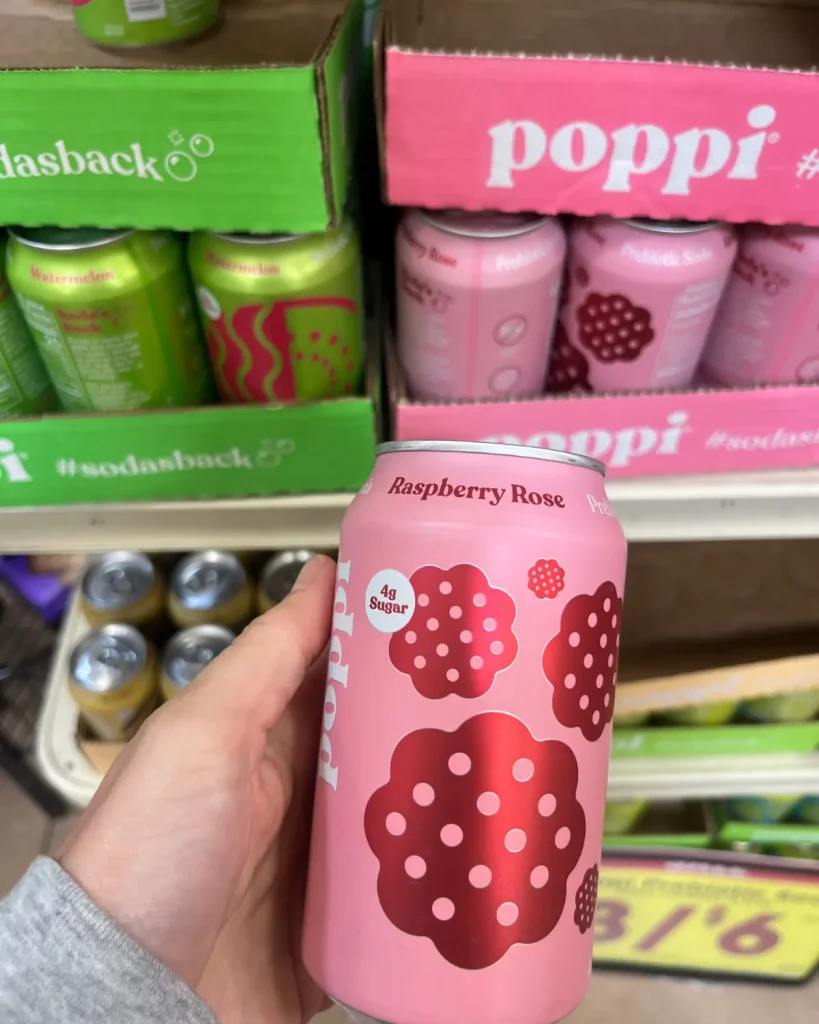
- Prebiotic sodas. Mostly unnecessary. They contain prebiotic fiber, but the amounts are small, and they often include added sugar. Better to get prebiotics from foods like beans, garlic, onions, oats, or vegetables.
- Protein‑Fortified Cereals & Oatmeals. These can be helpful if you’re struggling to get enough protein at breakfast. Compare ingredients and sugar content: often a basic Greek yogurt + oats + fruit gives you more benefits without the added cost.
- Fortified Milk Alternatives (with Calcium, Vitamin D, Omega‑3s. If you’re avoiding dairy, fortified plant milks are a smart way to maintain nutrient intake. Just check the label – not all brands fortify to the same levels.
Questions to Research Before Wasting Your money
For the situational and even some of the “scammy” products, please stay informed and ask these questions beforehand before wasting your money on something that sounds too good to be true! Most of the time, it is.
Does it solve a real gap in your diet? Do you actually know that you’re low in that nutrient?
If you aren’t sure, then ask yourself:
Are you consistently skipping meals?
Avoiding entire food groups?
Struggling to consume the minimum amount of protein (0.8g/kg) per day?
For example:
- If you rarely eat fruits, vegetables, beans, or whole grains, a fortified cereal or fiber bar might help.
- If you struggle to eat enough protein at breakfast, and you’re on-the-go early in the morning, a breakfast bar with added protein might be useful.
But if your diet is already varied and balanced, the “extra” may not change much.
Has It Actually Been researched?
Small studies are interesting, but consistent evidence matters. Marketing can be very loud and convincing, because that is what it is supposed to do: convince you to buy a product.
Ask:
- Is this backed by multiple studies?
- Or just one small trial?
- Or mostly influencer testimonials?
How Much Does It Cost?
Convenience is fine. Paying for ease is fine. But is the benefit worth the price?
Could you get similar nutrients from:
- Greek yogurt instead of a probiotic soda?
- Beans instead of a fiber supplement?
- A cheese stick versus a $2 protein bar?
Sometimes you’re paying for packaging and positioning – not a dramatically better outcome.
Do You Actually Like It (and Will You Use It)?
If you are forcing yourself to “like” something or you’re forgetting to use it, that doesn’t seem sustainable.

Mostly Marketing
Functional Teas
Most of these teas are marketed to consumers as “stress relief” or “immune support”. If you enjoy the flavor and feel like it gives you a calming effect, that’s a win. But the research behind the specific health claims are often mixed or limited. However, functional teas can be a part of a balanced routine – though not essential and rarely fix anything that a varied diet isn’t doing for you.

Wellness Shots
Wellness shots often come in a tiny bottle and make big claims but there usually is minimal evidence to back it up. Many of the expensive shots have ingredients with clinical studies that show proposed health benefits, like turmeric, but there are not many studies on what dose is actually therapeutic.
Let’s take Dose, for example. This product combines herbs like milk thistle, turmeric, dandelion, and ginger that traditionally have been used for liver health and antioxidant support.
For some people with specific lab findings or under a clinician’s guidance, they can be helpful, but for most of us with normal liver function, a balanced diet and healthy lifestyle are doing the heavy lifting already.
Most of their evidence is based on one study that is very small.
Tiny bottle. Big claims. Minimal evidence.
Mushroom Coffee
Functional mushrooms have some really promising benefits. The coffee, however, is often a gimmicky waste of money.
Most formulations likely don’t contain a therapeutic dosage. They don’t taste very good, and most of these companies are not transparent about the ingredients or quantities in them.
Greens Powders
While greens powder can provide extra vitamins, minerals, antioxidants, or phytonutrients, especially for people who genuinely struggle to eat enough fruits and veggies or are frequently on the go, they don’t provide the same fiber or satiety effects from eating actual produce.
In some products, the amounts of ingredients like kale, spinach, or spirulina are so low you might not get meaningful amounts of the nutrients you’re expecting.
And because supplements aren’t tightly regulated, some brands may even contain excess nutrients or interact with medications – which is why dietitians usually recommend choosing high-quality, third-party tested powders and checking with a clinician if you’re pregnant, breastfeeding, or taking meds.
Other Products
CBD snacks, most “Glow” or “Beauty” supplements with excessive amounts of biotin, metabolism boosting drinks, and collagen creamers are often not worth the money.
To Summarize
Foods with added nutrients are not always bad. In certain situations, they can actually fill important gaps in your diet. And despite what social media says, “fewer ingredients” isn’t always the best rule to follow.
Instead, stick to foods you know and trust, do your research, and learn how to read food labels.
This was very informative!
Thanks so much! I am glad you enjoyed it.