
Are you tired of “starting over” every year? This year, instead of jumping into another cleanse, detox, or restrictive diet, try this weekly wellness habits challenge. The focus is on realistic and effective health habits that can actually fit into your life.
There is no need to do a total 180 this year. A detox, a cleanse… none of that is sustainable. It’s not even effective, either!
Yes, you can still achieve your goal of becoming a healthier and more confident you – just in a more realistic way. Instead of dieting, we are going to focus on reframing and resetting for the new year.
I can’t tell you how many times I hear patients or friends tell me they can only do things “all or nothing”. They might see immediate results but these are the people who are going to fail, time and time again.
So here are 5 tiny wellness wins that you can focus on this New Year that are not quite as restrictive as the diet culture mindset but just as effective.
My Busy Mom Meal Planning Toolkit was designed to tackle not only healthy eating made easier with printable cheat sheets but mindset tools & tips. Think about purchasing if you’re struggling here!

5 Goals to FOcus On
Why did I choose these goals and what is in it for you? The focus: goals that are quite simple that you can actually achieve this year without feeling overwhelmed.
Too simple? No way. Simple = sustainable. Even more than that, these are healthy wellness habits that will provide results, too.
The struggles most people have are just getting started AND staying consistent. If you struggle with mindset and motivation, I highly suggest you check out my toolkit or read: Healthy Lifestyle Mindset and Motivation.
Optional printable: wellness habits tracker at the bottom to hold yourself accountable!
1. Add, Don’t Restrict
The majority of dietitians that I know also encourage this habit as well: add, don’t restrict! Now, let’s talk about why this is a such a popular phrase amongst evidence-based RDs.
Benefits of this “approach” to eating:
- The focus is to ADD more to your meals to make them more filling and satisfying. This could be veggies, more protein, extra fiber. You would be surprised at how this addition instead of subtraction style of eating actually helps reduce overall caloric intake.
- There are research studies that show meals higher in protein and fiber increase meal satisfaction and feelings of fullness, which can reduce appetite and even daily caloric intake.
- On top of the weight management benefits, this approach can also help with 1) consuming enough protein to preserve lean muscle mass even when in calorie deficit, 2) reaching a higher fiber intake which is so very important for overall health and 3) ensuring that you’re meeting your micronutrient needs by adding more produce to meals.
- It’s easier to stick with and models a healthy relationship with food to your kids.

This approach can be used in more aspects of life and not just eating. More fun, more self-care, more calm and relaxing nights with your kids.
Add more things to your life that support you rather than taking things away.
Examples of “add more” with healthy eating.
- Add spinach to your morning scrambled eggs.
- Top your toast with cottage cheese to add extra protein to your breakfast.
- Incorporate a can of beans to your taco night.
- Top your oatmeal with a handful of walnuts.
- Instead of one vegetable at dinner, aim for at least two different types of vegetables.
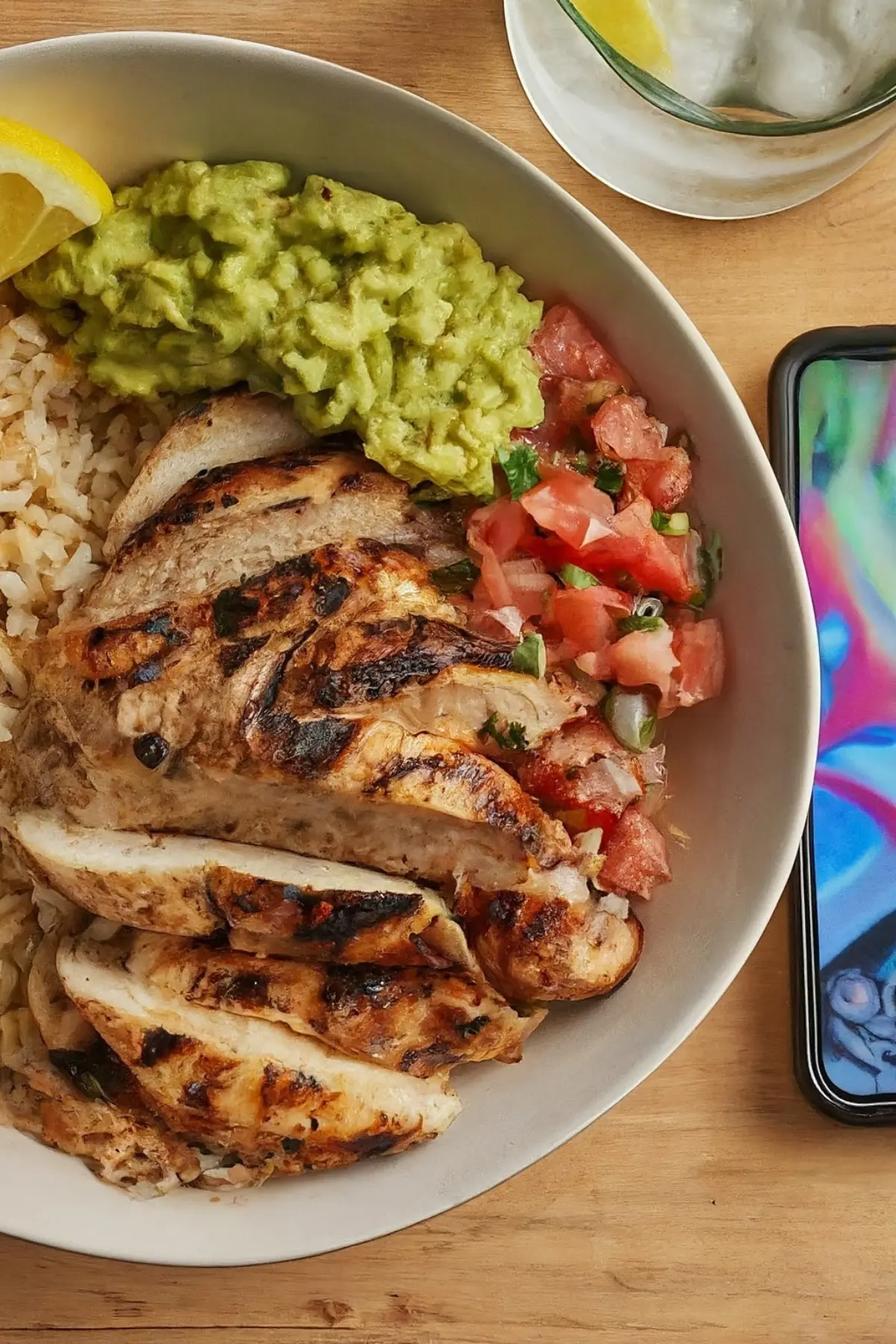
Meals that follow the “add more” mantra.
2. Focus on Snacks with Staying Power
A snack that is higher in protein and fiber will help to increase overall intake of these nutrients and keep you fuller for longer.
The combination of these two slow down the digestion of our food, gradually releasing glucose into the bloodstream, resulting in those feelings of fullness for an extended period of time plus more stabilized blood sugars.
If you’re someone who doesn’t have time for a large breakfast in the morning, these nutrient-dense snacks can help fill in those gaps. Or, it just might relieve some of the stress to have to create a perfectly healthy dinner.

Try something like roasted edamame beans (shown above) with 11 grams of protein per serving and a good source of fiber! For more easy store-bought options, read high protein easy portable snack list.
Check out these 20+ Snacks High in Protein and Fiber for more ideas!
3. Intentional Movement Break
Let’s skip the idea that “real” exercise has to happen at 5 a.m. or at a gym. Most of the moms I know have a difficult time setting up some sort of physical activity everyday. Again, the biggest problem is consistency!
Therefore, it’s time to brainstorm movement that actually fits into your life. This might be a walk with your kids, stretching while they play, or a 10-minute quick YouTube workout.
All of those count as intentional movement. Find something that works for you, that you can be consistent with, even if it’s 5 minutes. Aim for 15–20 minutes of movement, at least 3–4 days per week.
Also, our N.E.A.T. decreases in the winter when we are less active. This can account for a huge chunk of our total calorie expenditure, or the number of calories we burn on a daily basis.

Simple ways to increase total calorie expenditure through N.E.A.T would be standing up while folding laundry, walking around the house while talking on the phone, and taking the stairs at the mall.
Sounds silly but those small movements can really add up! Checkout my Increase Your N.E.A.T Checklist to hold yourself accountable and for more ideas!
4. Drink More Water
This one sounds super basic, right? However, you might think that you’re drinking tons of water everyday but you’re actually not.
Even if you’re sipping from a 40 oz Stanley, you might:
- Forget to refill it after one round.
- Skip drinking during busy parts of the day (especially afternoons).
- Misread thirst as hunger or fatigue.
- Prioritize caffeine over hydration.
Still think you’re drinking enough? Aim for one more glass and at least 64 ounces of water each day.
So here’s why it’s still worth including:
- Adequate hydration directly affects your energy levels, digestion, skin, and cravings. Even mild dehydration can affect mood, concentration, and brain function.
- Drinking enough water goes hand-in-hand with increasing fiber intake and encourages reguar bowel movements.
- Water can increase satiety and metabolic rate meaning there may be a weight loss effect that correlates with increase water consumption.
Instead of aiming for a random number of ounces, try building water into your routine in ways that feel doable. Start the morning with a big glass before your coffee. Keep a water bottle in the car or next to your laptop. Add lemon, fruit, or herbs if plain water gets boring.
Set a timer or download an app on your phone that reminds you to take sips throughout the day.

More energy, fewer cravings, and even better digestion? Hydration can help with all of that.
5. Create a Weekly Meal “Framework”
Instead of spending hours deciding every meal and snack, or spending no time on this at all, try building a simple weekly framework that give you some sort of structure but with flexibility.
Maybe you are the type that likes to plan out every single meal and snack – and that’s working for you. Or maybe you have no structure to your meals at all.
All you need is a go-to system that reduces decision fatigue and makes meal preparation easier – a loose routine that makes meal prepping and planning feel less overwhelming. I promise, having a flexible plan in place will make you feel more organized, more confident, and more likely to prioritize your health!
This is what my toolkit aims to do, but let’s brainstorm some strategies you can incorporate.

Above is an idea of how to meal plan from my toolkit, however, it does not have to be this planned out. Figure out what works for you!
Ideas to help with your framework:
- Make a list of 10-12 easy family meals that you know work well. Or, check out these 13 Dinner Recipes for the Family.
- Come up with a theme night dinner every night (click for my recommendations) that is very general. Like “taco Tuesday” but each Tuesday is something different like a chicken burrito bowl, steak fajitas, quesadillas, enchiladas and so on.
- Sunday 30-minute reset where you meal prep a few components for easier meal prep for the week.
- Spend a couple of hours meal prepping high protein lunches for the week.
- Plan to spend 5-10 minute, one day a week, where you come up with at least 4-5 meals you will make.
Stay Accountable
As a person who psychotically makes lists throughout the day and the week, it can be super motivating to have this accountability checklist! Use it as a tool to hold yourself responsible for completing this wellness habits!

The framework checkbox doesn’t really need to be done everyday or you could use it to check off if you practice the framework you came up with.
Check out my Amazon Storefront for my favorite products to prioritize your health and subscribe to receive a 33-page e-book + infrequent updates on the latest posts.