
Electrolyte drinks and powders are everywhere these days, especially on social media. It feels like everyone is sipping on these drinks daily – and not just after workouts, but while sitting at their desk at work or driving carpool. Is this the new must-have health hack or just another misleading wellness fad?
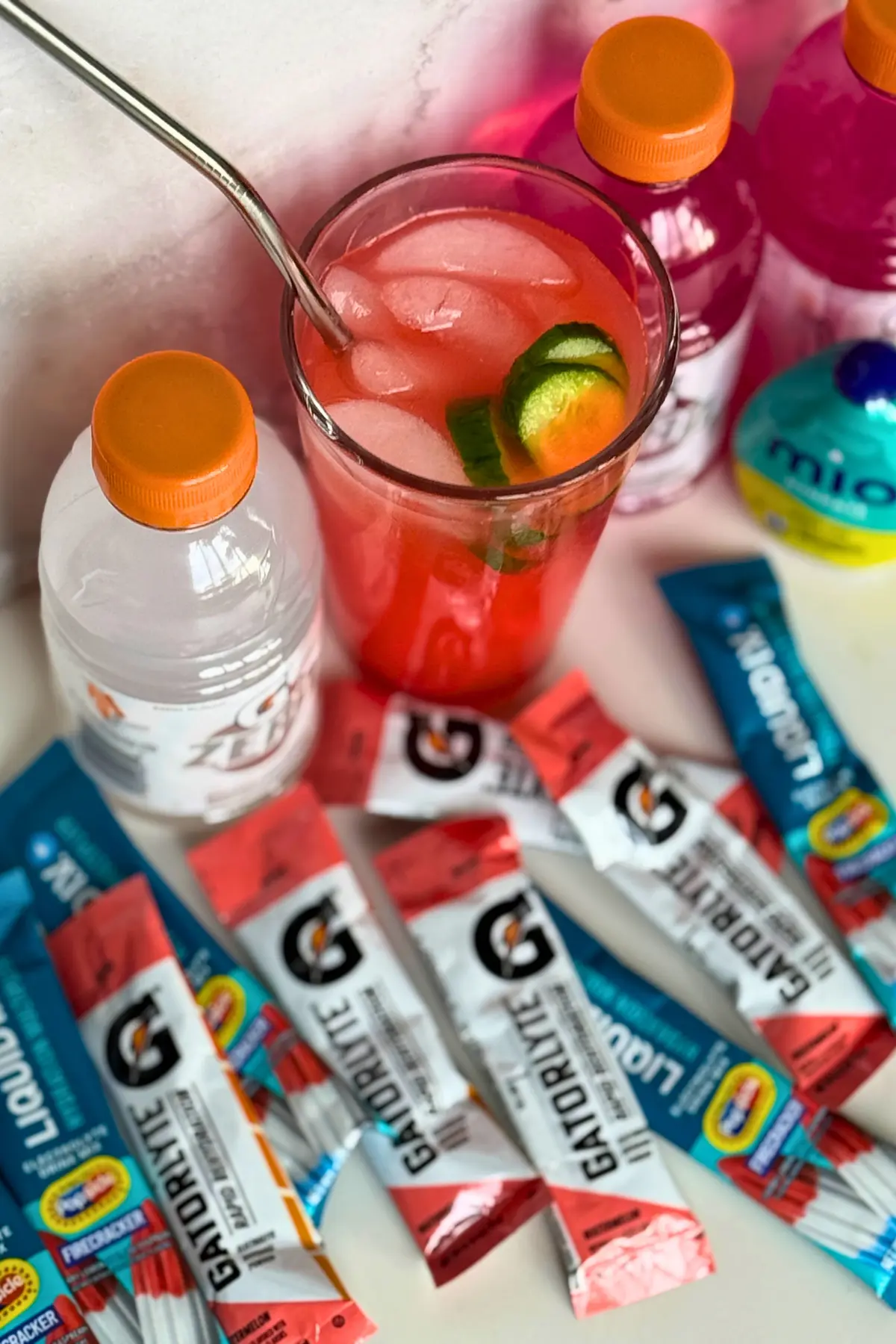
Should you really be consuming electrolyte supplements every single day? In a nutshell: no, most healthy individuals do not need to be taking an electrolyte supplement every day. However, there are definitely some who may benefit from it.
For the most, part, though, I wouldn’t recommend it. The main reason? 45% of adults have uncontrolled high blood pressure.
Restricting sodium intake to about 2000 mg per day is the top recommended dietary strategy to improve blood pressure. The average American is consuming 3,400 milligrams of sodium per day, at least! Why would we want to add additional sodium to our diet when we already are overconsuming?
My immediate response is a definite no, we do not want that – but it’s not that simple. The decision to drink electrolytes daily should be personalized and depends on several factors.
This post specifically goes over when to take these supplements, who should be consuming them on a daily basis, and the difference between these products – for example, Gatorade versus Liquid IV. They are two very different products!
This post contains Amazon affiliate links. At no additional cost to you, I receive a small compensation if a purchase is made.
A Brief Intro to Electrolytes
From the comments I’ve seen online, it’s obvious that many people don’t understand much about electrolytes. Consumers hear other people swearing by electrolyte powders – don’t get me started on the advertisements – so they just start taking them as a quick fix to feel better.
What are Electrolytes?
Electrolytes are minerals that carry an electric charge (-/+) and are essential for basic life functioning. High or low levels of electrolytes disrupt normal bodily functions and can lead to life-threatening complications.
Some functions of electrolytes are:
- Balancing the amount of fluid in the body.
- Acid/base balance.
- Muscle and nerve function.
- Blood pressure regulation.
- Moving nutrients into your cells.
- Transporting waste out of cells.
The different electrolytes include:
- sodium
- potassium
- magnesium
- chloride
- phosphorus
- bicarbonates
- calcium
Factors That Can Affect Electrolyte Levels
As a dietitian that works with patients who have chronic kidney disease and other chronic diseases, I know firsthand that electrolyte imbalances can be caused by many factors often not related to diet.
If your lab values actually reflect an electrolyte imbalance, it’s important to figure out what is causing your sodium or potassium to be low or high in the first place!
Factors that affect your sodium level, high or low:
- You’re consuming too much water or not drinking enough of it. Someone who has low sodium, or hyponatremia, may be drinking too much! A high sodium, or hypernatremia, is often due to dehydration.
- Medications such as diuretics and SSRIs contribute to low sodium.
- Medical conditions and chronic diseases like heart disease, chronic kidney disease, or SIADH.
- Frequent daily loose stools.
- Vomiting.
- Excessive sweating and/or intense exercise.
- Malnutrition or inadequate food intake.
Your potassium might be low or high because of:
- Malnutrition or not consuming enough potassium from the diet.
- You’re having frequent loose stools and/or vomiting.
- Certain medications – diuretics can cause low potassium while ACE inhibitors contribute to high potassium.
- You haven’t had a bowel movement in a few days. This can cause potassium to be higher than normal.
- Metabolic acidosis.
- Alcohol use.
So, you see, electrolyte imbalances are pretty complicated – and some of these circumstances might warrant taking an electrolyte supplement!
But I Always Feel Tired or Weak…
It’s common to see comments on social media from people swearing by electrolyte drinks because they “feel better” afterward – whether or not they actually have an imbalance. This raises the question: is it the electrolytes, or could it be more of a placebo effect?
In reality, most of the time your body can maintain balance on its own with two simple habits: staying hydrated and eating a nutrient-rich diet.
For most people, plain water and a well-balanced intake of fruits and vegetables are more than enough to keep electrolytes in check.
Ask yourself:
- Are you drinking enough water throughout the day?
- Are you aiming for at least 3–5 servings of fruits and vegetables daily?

When You Would Need to Drink an Electrolyte Supplement
Here are some conditions where it might benefit from taking one daily.
- After vigorous exercise, most experts recommended them after 75+ minutes of strenuous physical activity.
- You often feel lightheaded/dizzy during workouts.
- You sweat heavily and notice salt streaks on clothes/skin.
- You’ve recently had a poor appetite and/or lost a lot of weight unintentionally. Altough in this situation, I would recommend a higher calorie protein shake before an electrolyte powder.
- Frequent muscle cramps despite adequate food intake.
- Warm/hot weather that induces excessive sweat production. Vigorous exercise + hot weather = ideal time to drink an electrolyte supplement.
- Multiple loose stools and/or vomiting per day. An electrolyte supplement like Liquid IV or Pedialyte can help replace the electrolyte losses from gastroenteritis.
- Certain health conditions that require more sodium, like POTS (Postural Orthostatic Tachycardia Syndrome).
- You’re really hungover or recently drank excessively.
Why You Probably Don’t Need to Take One Daily
Electrolyte supplementation is generally not necessary because dietary intake is often enough to offset any electrolytes lost to urine or sweat.
One teaspoon of salt = 2400 mg of sodium! Even if you cook your meals at home, it’s very hard to consume less than 2,300 mg of sodium per day.
Here are some situations where an electrolyte powder or beverage is not necessary – and just a waste of money. Electrolyte supplements are convenient, yes, but a banana has more potassium than most of the supplements available on the market!
- Sitting at a desk most of the day.
- Light/moderate exercise indoors.
- You eat a well-balanced diet (fruits, veggies, dairy, whole grains, meats all contain electrolytes naturally).
- Your water intake is pretty good.
Potential Downsides of Consuming Electrolytes Daily
Weigh the pros and cons before spending your money.
- Extra calories and added sugars in many electrolyte drinks.
- Some are very high in sodium – which might not be ideal if you’re already consuming a salty diet and most especially if you have high blood pressure.
- Cost: powders and drinks can add up quickly compared to water + whole foods.
- The magnesium content in these powders or drinks is so miniscule – better to take a supplement if you need magnesium!

Smarter Alternatives
These options may be less convenient but are cost-effective.
- Hydrate with plain water. Or, make your own electrolyte drink at home.
- Did you sweat a lot after an intense workout? Sprinkle some salt into your smoothie, or try my Tajín Tropical Protein Smoothie (my favorite smoothie ever, shown above).
- Include potassium-rich foods into your diet: bananas, avocados, tomatoes, spinach, and potatoes. Again, pair one of these with a smoothie and add a little salt!
- Consume magnesium-rich foods like pumpkin seeds, beans, legumes, spinach, and whole grains.
- Just eat a well-balanced meal after you work out! That way, you will consume your protein, sodium, potassium, and magnesium all in one!
Evaluating the Different Products
Always, always, always read and compare food labels before choosing an electrolyte drink or powder! What may seem similar on the outside can be very different once you look at the nutrition facts.
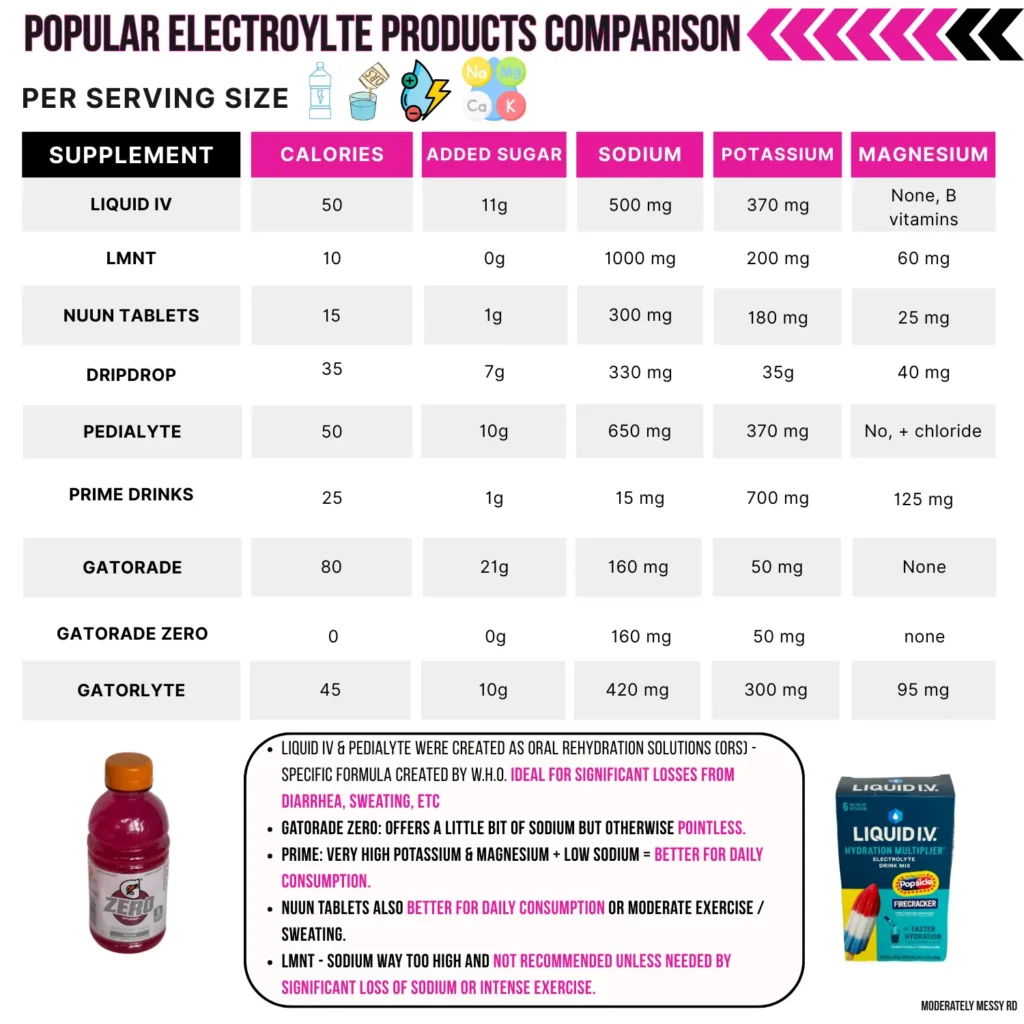
This comparison chart is really interesting because it shows how each product differs from the next.
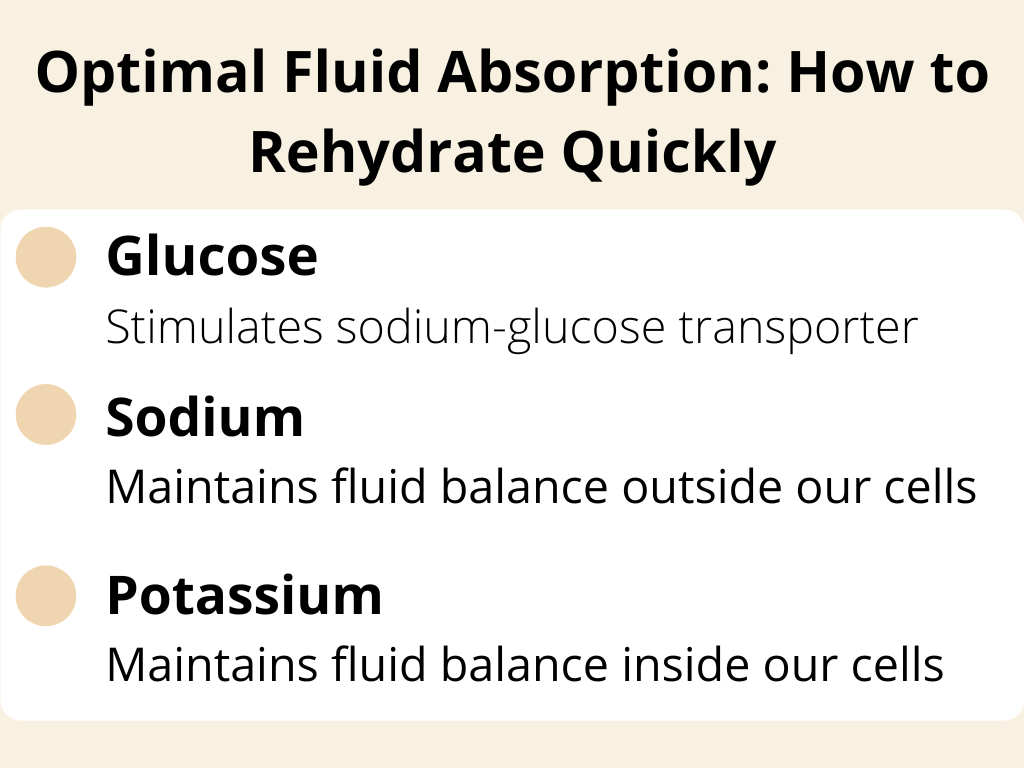
Electrolyte mixes like Liquid IV and Pedialyte were originally designed to mimic the World Health Organization’s oral rehydration solution – a combination of sodium + potassium + glucose (sugar) that helps the body absorb fluid more efficiently than plain water. These formulas are especially useful when you’re sick or sweating heavily, but not always necessary for everyday use.
Below are my quick notes on some popular products.
- DripDrop Hydration Packets. Lower in sodium and sugar than Liquid IV, making them a better choice for more frequent use. Still, Nuun edges out slightly if you’re looking for the lowest sugar option.
- Nuun Electrolyte Tablets: A solid everyday choice for mild electrolyte support with less sugar and a moderate dose of sodium and potassium.
- LMNT. Extremely high in sodium; best reserved for excessive sweaters, athletes, people with POTS, or during illness with vomiting/diarrhea. Pair with potassium-rich foods for balance.
- Liquid IV. Very effective for rapid rehydration (e.g., stomach flu or long bouts of sweating), along with Pedialyte. Not ideal for everyday use due to its higher sugar content.
- Gatorade. Designed for athletes, but lower in sodium/potassium compared to powders. The sugar content is high, so unless you’re a runner or doing intense exercise, there’s little need. Gatorade Zero is a better option for casual use.
- Prime Hydration Drink. Stands out for having more potassium and magnesium than most competitors, but it’s lower in sodium. That means it’s not the best choice for replacing sweat or diarrhea-related losses.

Electrolyte Beverages for Kids
Parents often wonder whether drinks like Gatorade or Prime are any better than a standard juice box. What is the difference?
Here’s a quick breakdown:
- Electrolyte drinks (like Gatorade or Prime) → contain electrolytes such as sodium and potassium plus added sugar. They’re designed to replace losses from vigorous exercise, heavy sweating, or illness.
- Juice boxes → usually don’t contain electrolytes. They’re essentially just fruit juice or fruit-flavored drinks with natural or added sugars.
For most kids, especially picky eaters who live on macaroni and cheese or buttered noodles (like mine often do), sodium intake is already higher than recommended. In those cases, adding an electrolyte drink only piles on more sodium and sugar – which their bodies don’t need.
Bottom line: Juice boxes aren’t perfect, but electrolyte drinks are not a healthier swap for everyday hydration. Water and milk are still the gold standard for kids, with juice best in small amounts and electrolyte drinks reserved for special circumstances (like a stomach bug or sports tournaments in the heat).
Let’s Sum It Up
There are some circumstances where they can be helpful, though, like during the stomach flu, periods with excessive loose stools or vomiting, or sweating from intense physical activity.
Use your best judgement to figure out which product to use. Prime is an ideal option for everyday consumption because of the low sodium content.
Gatorade Zero or Nuun Electrolyte Tablets are good options for moderate sweating whereas an oral rehydration solution like Liquid IV or Pedialyte is best for the stomach flu. Something like LMNT is reserved for POTS or excessive sweating from endurance athletes or runners.
Electrolyte supplements aren’t harmful for most people — but they’re not a magic fix, either. For the average busy mom, office worker, or casual exerciser, plain water and a balanced diet cover your needs just fine. Electrolyte powders and drinks are really only necessary in specific situations, not a daily must-have.