
Whether it’s stress, a busy schedule, nausea, a medical condition, or a GLP-1 medication that lowers appetite, undereating can quietly affect your health. Skipping meals or eating too little doesn’t just drain energy – it can increase the risk of muscle loss, constipation, and blood sugar swings. I’m not saying this to add stress, but to share simple solutions that help you stay fueled, protect your health, and make life a little easier.
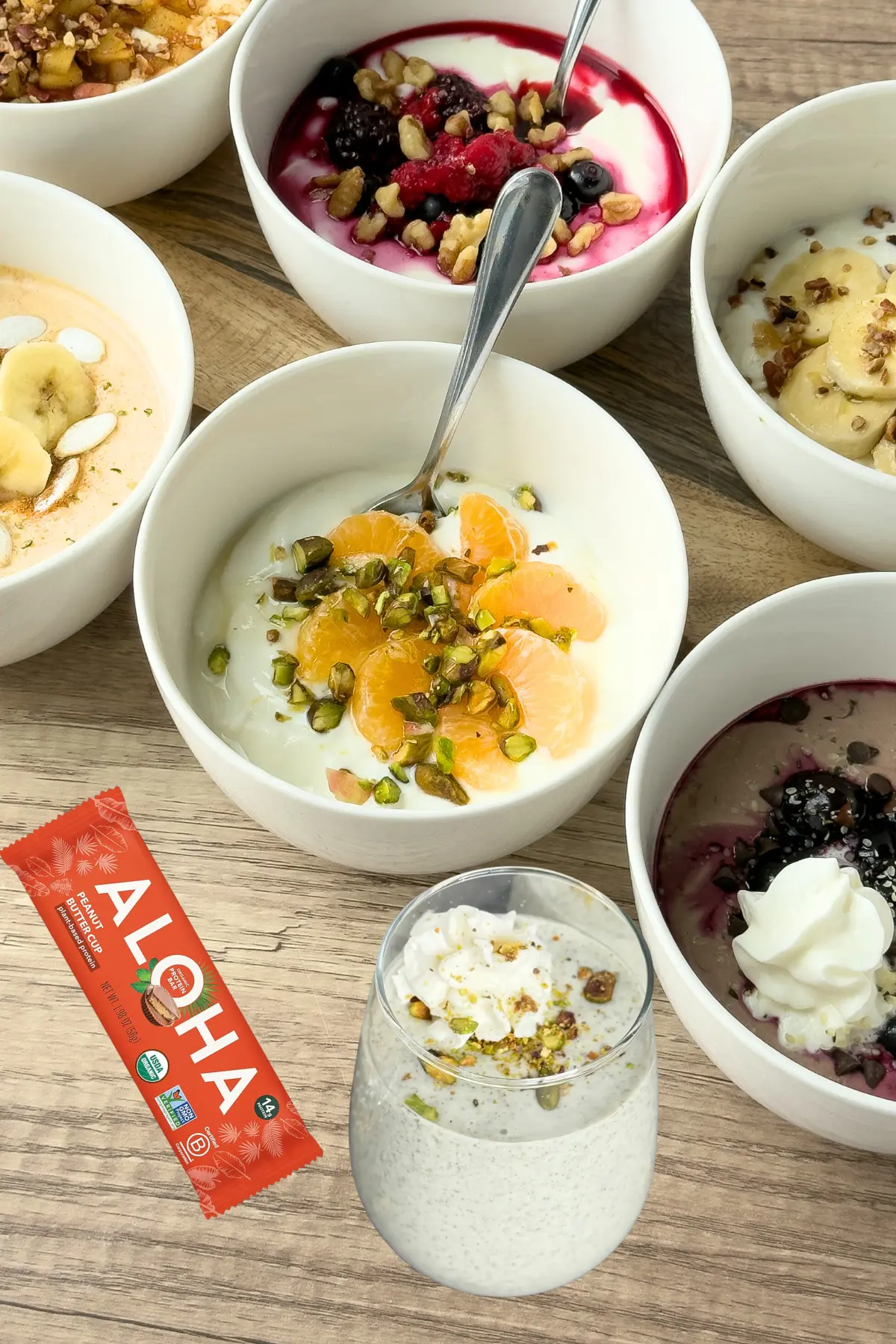
The goal here is simple: help you prevent under-fueling in a way that supports your health, reduces fatigue, and keeps life manageable- even when your appetite is low.
You don’t have to force huge meals or overhaul your diet. With small, smart choices, you can maintain energy, preserve lean muscle mass, and feel your best.
Why Eating is Still Important When You’re Not Hungry
When appetite is low, people tend to:
- Skip meals → leading to lower protein & fiber intake, which can increase the risk of muscle loss, constipation, and chronic diseases.
- Feel fatigued or dizzy → low energy makes everything feel harder.
- Experience blood sugar swings → even a few skipped meals can affect mood and focus.
- Unintentionally overeat later → grazing on low-satiety foods often leads to large meals later.
This doesn’t mean you have to force yourself to eat a large meal. Just make smart decisions that can prevent some of these outcomes!

Tips for Eating Smart When You Aren’t Hungry
Focus on Protein
- Aim for a total of 1 gram per kilogram of bodyweight (divide weight in pounds by 2.2) per day. Again, this is to ensure you maintain that lean muscle mass.
- This usually means meals should consist of at least 25 grams of protein (or aim for small snacks with this amount instead of a “meal”).
Easy, Liquid, or Semi-Liquid Options
If “eating” doesn’t sound ideal, drinking your meals is a good option for those low appetite days.
- Protein smoothies (small size, not giant!).
- Drinkable yogurt or kefir (many have 15–20g protein).
- High-protein milk (like Fairlife).
- Soups with beans or chicken.
- Bone broth with crackers –> maybe a high protein chip or cracker here.
Soft, Easy to Eat Foods
- Greek yogurt with berries or honey.
- Cottage cheese + fruit.
- Protein puddings (like Vanilla Berry or Pistachio Pudding Cups).
- Oatmeal with added protein powder.
- Mashed potatoes with Greek yogurt mixed into them.
Small but Nutrient-Dense Snacks
- Apples + nut butter.
- Hard-boiled eggs.
- Portion-controlled trail mix.
- Protein bars.
- Nuts and seeds.
simple, Satisfying Meal Ideas
All of these prioritize protein to reach a higher overall intake and to reduce muscle wasting.
Drinkable smoothies
When your appetite is low, liquid meals are often the easiest way to get the nutrients your body needs without feeling overwhelmed. Smoothies, drinkable yogurts, and protein shakes are gentle on the stomach, quick to consume, and highly customizable, allowing you to pack in protein, fiber, and healthy fats in a single serving.
Because they don’t require chewing or a large portion, liquid meals make it simple to meet your protein and calorie goals, support muscle maintenance, stabilize blood sugar, and keep energy levels steady – even on days when solid foods feel unappealing.
If none of these smoothies sound ideal, look into nutritional supplements like Ensure or Boost.
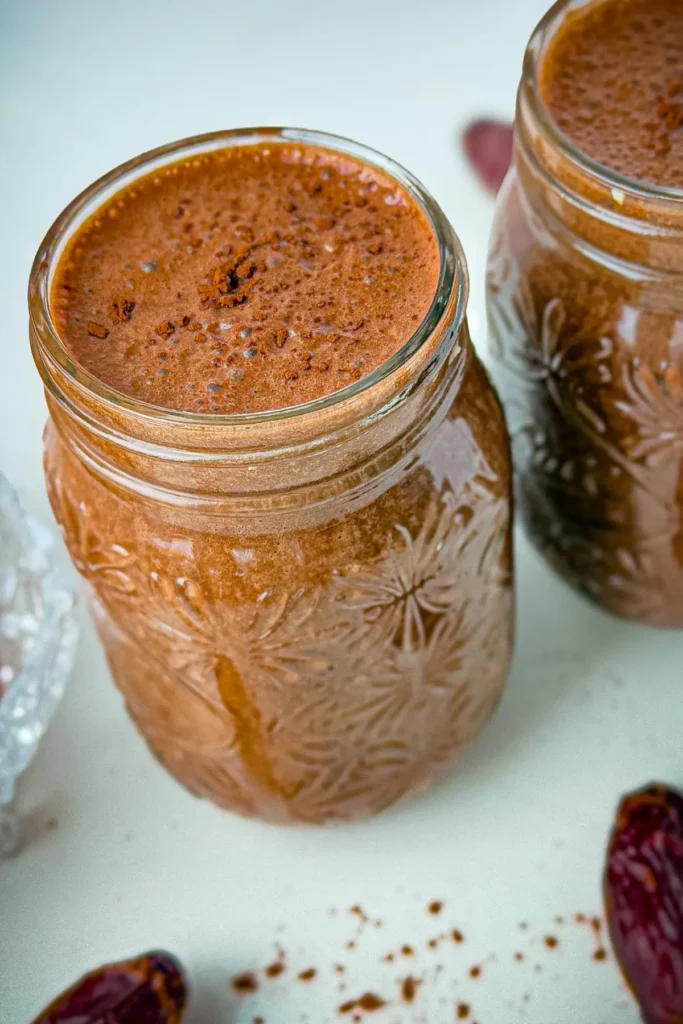
Dark Chocolate Date Protein Smoothie with Peanut Butter
A super delicious option that is packed with protein, fiber and antioxidants. This smoothie has 26 grams of protein and 6 grams of fiber. Dates are rich in antioxidants that help lower the risk of several chronic diseases.
A well-rounded smoothie made with kefir, bananas, berries and spinach. Kefir is a drinkable probiotic beverage that works really well in smoothies and helps to improve the composition of your gut microbiome.

Creamy Strawberry Kefir Smoothie
This gut health smoothie contains 1) probiotics from both kefir and Greek yogurt, 2) prebiotics from the 12+ grams of fiber, and 3) 22 grams of protein for both increased satisfaction and to promote a healthier gut microbiota. It’s creamy and really good, if you love strawberries!

Dark Cherry Cheesecake Cottage Cheese Smoothie
This dark cherry cottage cheese smoothie is thick, creamy and tastes just like cheesecake! Each serving has 17 grams of protein without any protein powder.

Other Liquid Ideas
- A glass of Fairlife milk (more concentrated and higher in protein). Add protein powder to your preferred milk as well.
- Tropical Tajín Protein Smoothie
- Vanilla Pumpkin Protein Smoothie
- Lemon Berry Smoothie
Soft, easy-to-eat options
Just a few spoonfuls of this vanilla pudding has 16 grams of protein and they are very easy to prep for the week. You get a lot of “bang for your buck” with these mini cups, so they’re great for a snack or those really struggling to eat a lot at one time.

Pistachio Protein Pudding Cups
Similar to the vanilla pudding but using pistachio pudding mix. Top with chopped pistachios and bananas to increase the nutrient-density of these ones.

One cup of Greek yogurt has about 22 grams of protein. Add your favorite toppings or try one of my yogurt bowl recipes. It’s easy to whisk protein powder into as well to increase the protein content without eating more food.

Protein powder and Greek yogurt are combined to make these creamy popsicles with 11 grams of protein per serving. So, this can make a fun snack that also serves a bit more purpose with some extra protein and calcium.

More Ideas
- Chia Pudding with Protein Powder for a quick high protein and fiber meal.
- Pistachio Pudding Yogurt Fluff — spoonable protein snack that’s fun and light.
- S’mores Protein Pudding with Greek Yogurt — tasty, cozy snack with ~18g protein.
- Vanilla Chobani drinkable yogurt with chia seeds
- Creamy vegetable soups (or, something like lentil soup with some extra protein).
- Hummus dip and pita.
- Kefir + frozen berries + a drizzle of honey
- Cottage cheese + fruit
- Oatmeal with protein powder stirred in
What to Do If You are Losing Weight Unintentionally
If your appetite is poor and you are losing weight, unintentionally, here are a few of my favorite tips and tricks to really increase calorie density of foods. First and foremost, though, you should treat the cause of your poor appetite.
Depression? You may need to talk with someone. Stomach pain? Try to figure out what is causing it. Nausea? Treat the nausea first – smaller meals, lower in fat. Work with a dietitian, if needed.
Add Healthy Fats (Fortification)
Healthy fats offer a lot of calories in a small amount. Think olive oil, avocado oil, nut butters, coconut cream, nuts and seeds, and avocados. Below are some specific ideas to increase the calorie density without eating more at one time.
- Stir oil into your oatmeal, soup, mashed potatoes, yogurt parfaits, or wherever it makes sense. Spread oil onto your toast.
- Use extra oil when you roast your veggies.
- Add coconut cream to your smoothies instead of lower fat milk.
- Sprinkle nuts and seeds onto salads, oatmeal, yogurt bowls, power bowls, and stir-fries.
- Top meals and snacks with avocado slices.
- Incorporate nut butters into sauces, in cereals, smoothies, yogurt, snacks, or anywhere you can.
Replace Some of Your Water with a Higher Calorie Beverage
Sip nutritional supplements, milk or a higher calorie beverage in between your meals in replace of some of the water you are drinking. Or, drink a very high calorie smoothie throughout the day.
I Hope This Helped!
This is a topic that isn’t talked about enough, so if you are someone who struggles with appetite and intake, I truly hope it helped! Below are more resources to help you increase your protein consumption.
Thank you for these. I’m in my early 40s and finding my hunger cues aren’t what they once were so I’m rarely feeling hungry but then tend to over eat later on when I realize I haven’t eaten much. My plan is to get on a schedule despite lack of hunger so that I can hit my fiber and protein goals.
You are so welcome! I am so glad this post reached someone who needed it.