
These 17 tiny nutrition hacks are here to show that eating well doesn’t have to be hard, sort of like the phrase “work smarter, not harder”. Keep these simple tips in mind when building meals and snacks to boost nutrition without adding a lot of extra effort.
These small upgrades boost nutrition without adding extra effort or stress. None of these are groundbreaking or all-or-nothing changes – they’re just small tweaks I use in real life to make everyday meals a little more nourishing. At least one of these “wins” will help you build healthier meals and snacks!
Boost Your Nutrition Tips {Without Having to Work Too Hard}
1. Add canned lentils to Your Ground Meat

Lentils are one of the best food sources of protein and fiber. There are 18 grams of protein and 8 grams of fiber per one cup serving. Plus, they are just super versatile. Add them to bolognese sauce, pasta, sloppy joes or tacos and the lentils basically disappear.
The texture mimics ground meat. So, combining 1/2 ground beef to 1/2 cooked lentils creates this healthier, higher fiber “meat” with less saturated fat from the beef, too.
This also helps cut costs and even your kids may not even notice. One recipe I found was this Beef and Lentil Bolognese from Casually Peckish.
2. Sprinkle in Some Nutritional Yeast
Nutritional yeast – affectionately known as “nooch” – is an inactive yeast that’s often grown on molasses and then harvested, heated, and dried. The result? A flaky, savory seasoning packed with B vitamins, protein, and antioxidants and a low environmental footprint.

The cheesy, nutty flavor makes it a delicious addition to a wide variety of dishes! It has a lot less sodium than parmesan and double the protein and fiber content.
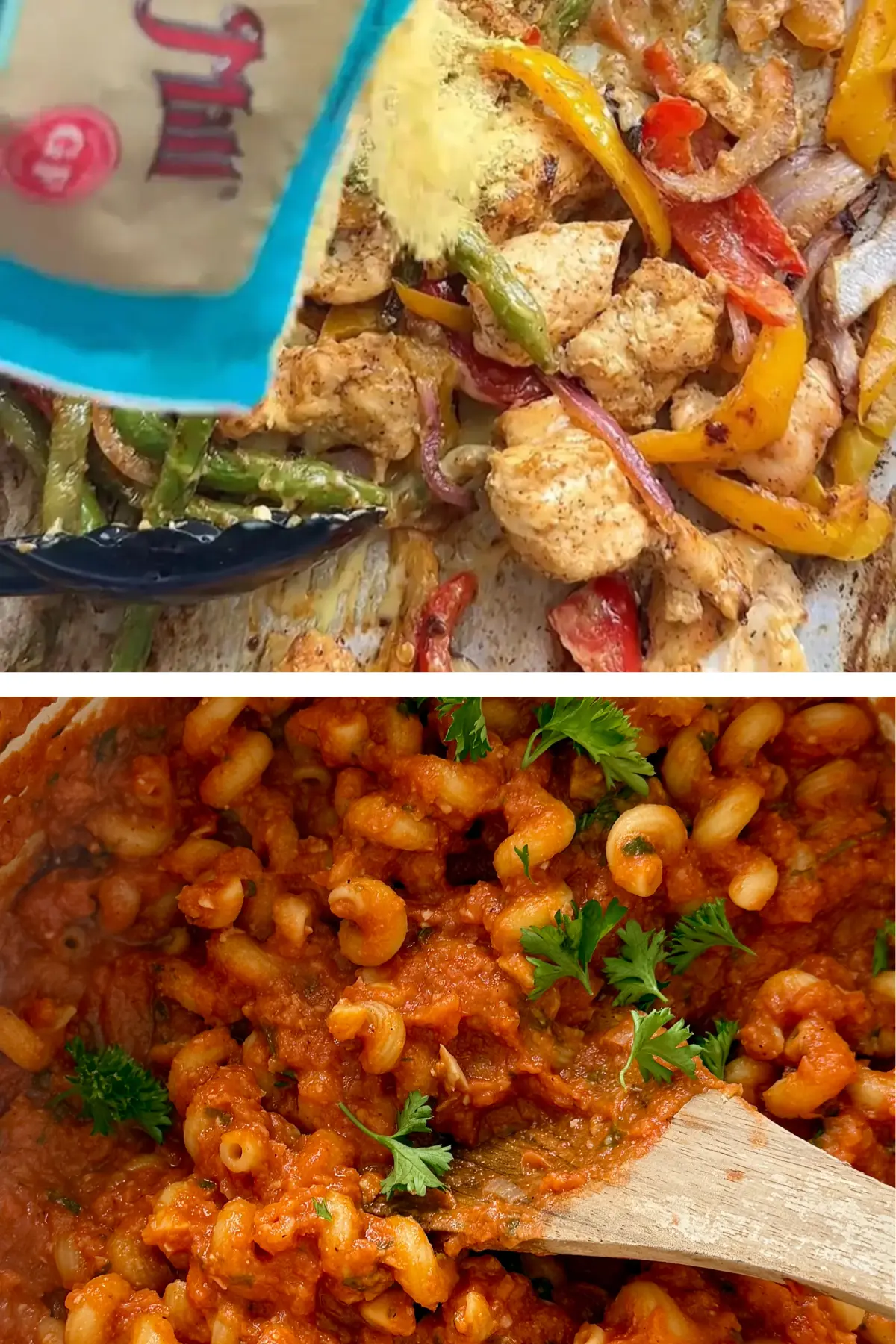
The photo above I just sprinkled it on veggies and chicken that I roasted on a sheet pan. It works on eggs, pasta, roasted veggies, in sauces and so much more. It’s just a simple way to add flavor and boost nutrition at the same time!
It is most commonly used on popcorn. For recipe inspiration, check out: 11 Ways to Use Nutritional Yeast.
3. Find Creative Ways to Use Greek Yogurt or Cottage Cheese
The most obvious use of Greek yogurt is as a sour cream substitute. This works great with Mexican-inspired or spicy dishes.
There are just endless ways to use both Greek yogurt and cottage cheese, though – and most of the time, you won’t even be able to tell it’s there.

Why Do It?
Both provide about 14 grams of protein per 1/2 cup serving along with some calcium and vitamin D!
Specific Ideas:
- Make it into a garlic yogurt sauce for a Greek Chicken Protein Bowl.
- Incorporate it into a 7-Layer Taco Dip instead of cream cheese. This works for Buffalo Chicken Dip, too!
- Top your pancakes with yogurt + maple syrup for a creamy topping.
- Blend into sauces to increase the protein content.
- Stir into mashed potatoes or oatmeal.
Check out these Versatile Ways to Increase Protein with Cottage Cheese for more ideas.
4. Increase the Nutrient Density with Chia Seeds
Chia seeds have 10 grams of fiber and 5 grams of protein per two tablespoons! These tiny but mighty seeds are a good source of omega-3 fatty acids, too, and pack a huge nutritional punch.
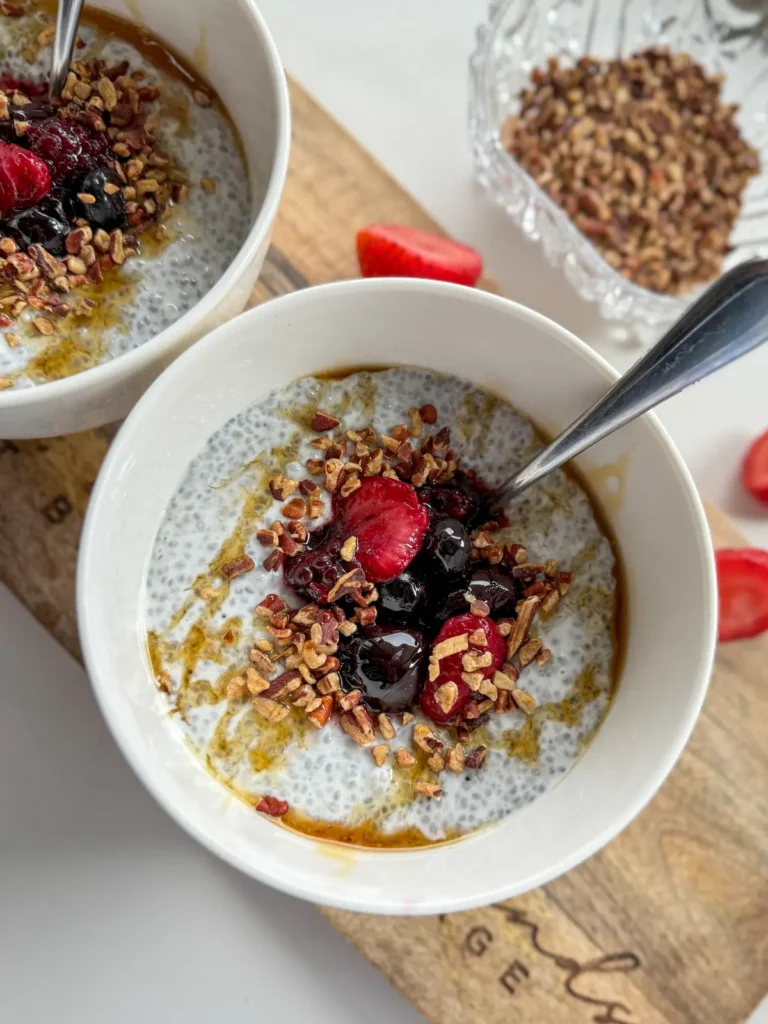
Easy ways to use them:
- Mash warm berries + stir in chia seeds to make jam for a more nutritious “peanut butter and jelly” sandwich.
- Stir into oatmeal, Greek yogurt, or applesauce.
- Throw them into smoothies.
- Toss into salad dressings.
5. Add Kefir to Smoothies to Replace milk

Kefir is a probiotic-rich fermented drink with significantly more probiotics than even yogurt! It is just an excellent way to boost the amount of “good” bacteria and create a more balanced gut.
Now, I usually use Lifeway Kefir which is high in both calcium and vitamin D! So, really, it’s superior to milk in a lot of ways. It is tangier, though.
It’s perfect for a milk replacement in smoothies! I have also used it in overnight oats, popsicles, and dressings. Click here for more recipe ideas.
6. Silken tofu blended into creamy soups or pasta sauces
Silken tofu is an easy, underrated way to make soups and pasta sauces creamy without using heavy cream. When blended, it completely disappears texture-wise and adds a quiet boost of protein while keeping the flavor neutral. You can blend it into tomato soup, butternut squash soup, or even a creamy pasta sauce as a swap for cream or sour cream.
It’s a simple pantry shortcut that makes comfort food more filling and nutrient-dense without changing how it tastes.
Recipe Ideas:
- Silken Tofu Pasta Sauce (The Hidden Veggies)
- Silken Tofu Whipped Cream (The Full Helping)
7. Eat Slightly Green Bananas or Plantains
Resistant starch (RS) is a unique type of carbohydrate with some impressive benefits – it feeds your gut bacteria, helps you stay full longer, and supports balanced blood sugar levels.

The longer a banana ripens, the less resistant starch it will contain.
An underripe banana has 4.7 grams of resistant starch, which is higher than most food sources. So, if you can tolerate just quickly consume a slightly green banana, you will get maximized benefits from resistant starch.
Green bananas are also considered low FODMAP, and better tolated by people with IBS!
8. Cooked and Cooled Rice
Another resistant starch trick is to cook and cool rice, for at least 12 hours – which then makes it a bit more blood sugar friendly and better for your gut!

I love to cook a large pot of rice and put a few servings into baggies for the freezer. This means that I can add rice to make a well-balanced meal a lot easier and healthier for you as well!
9. Freeze and Then Toast Bread
From a nutrition standpoint, freezing (and then toasting) bread can slightly increase its resistant starch content, which means it may have a gentler impact on blood sugar and help keep you fuller longer.
It’s an easy, “work smarter not harder” habit that makes everyday meals simpler and a little more blood-sugar friendly.
10. Blended Veggies In Pasta Sauce
Hiding vegetables in a sauce is a creative solution to get someone (like your kids) to consume more veggies.
You might be thinking – well won’t my child know that there are veggies hidden in this sauce? If you use the right vegetables, they probably won’t. For example, I used butternut squash in a macaroni and cheese and the color of the cheese sauce did not change at all.

Veggies options that work well when blended into sauces are cauliflower, sweet potatoes or zucchini. Try this easy Protein Pasta with Hidden Veggies or Hidden Veggie Mac and Cheese for inspiration.
11. Blended Beans into Pasta Sauce
This is a new trick I have been trying: blending white beans or chickpeas into pasta sauce! You can use an immersion blender and just throw in some canned beans or add everything to a blender. For a fresh, homemade recipe, check out my High Fiber Pasta Sauce Recipe.


It is one of the easiest ways to boost fiber and protein without changing the flavor or texture much. The beans make the sauce thicker and creamier while quietly adding nutrition – no one needs to know they’re there. It’s a simple, budget-friendly upgrade that works especially well for family pasta nights.
12. Turn Your Dinners into Theme Nights
You know what one of my top recommendations for prioritizing health is? Cooking dinner at home! Unfortunately, this is often a mom’s biggest complaint.
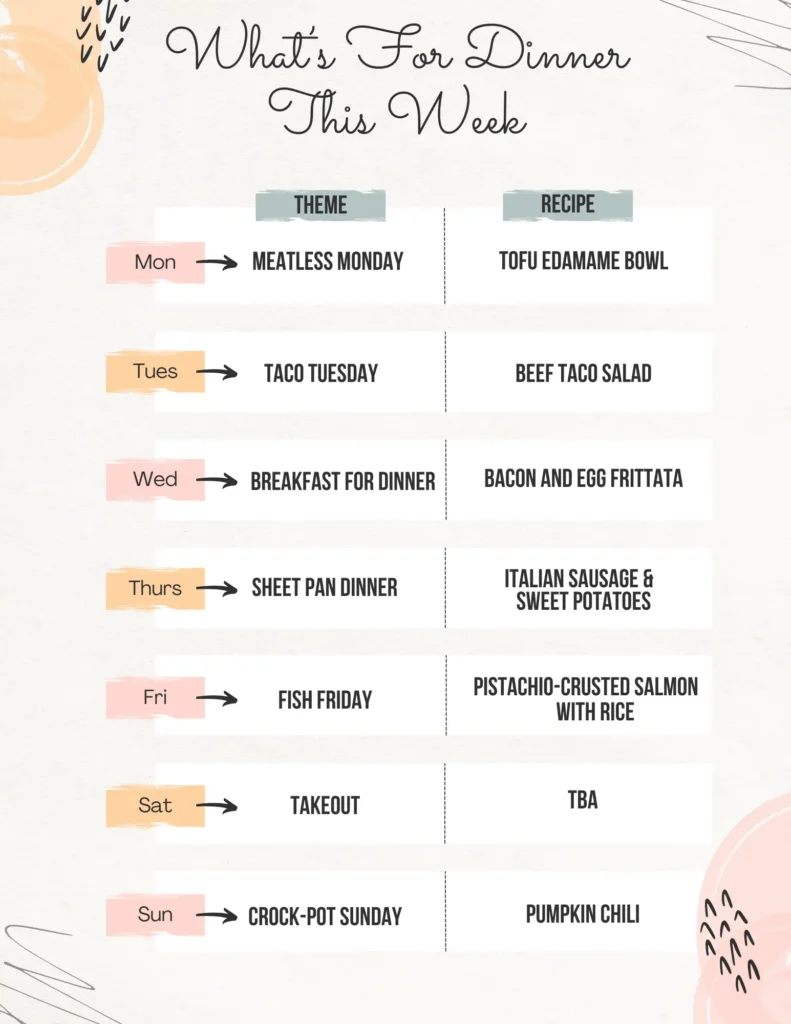
That’s where theme nights come in: to reduce the mental load of deciding what is for dinner every night. If each night has a “theme”, not only will your family stop asking you that question but it limits the choices or options of what is actually for dinner. The best part is that it’s easily customizable.
Theme nights introduce variety while also adding structure and routine. You can explore different recipes within the same category—like trying different taco fillings or pasta dishes—without straying too far from the theme.
You could even make some of the days health-focused, like “Fiber Fridays”. See an example of how theme nights could go in the image below!
13. Pair Nutrients Together to Enhance Absorption
Some nutrients are absorbed better when paired with another nutrient.
Here are some examples of that:
- Adding a little fat helps your body absorb fat-soluble vitamins like A, D, and E (think olive oil on veggies or avocado with a salad).
- Pairing foods rich in vitamin C with plant-based iron helps with iron absorption, like adding tomatoes or peppers to beans or lentils. Or, drinking orange juice with fortified cereals or eating an orange with your lentil soup.
- Vitamin D helps calcium, which is why foods like kefir or yogurt are an easy win.
14. Smash Chickpeas into Toast
This is basically the lazy cousin of avocado toast, but with a bit more fiber and protein. Drain and rinse canned chickpeas, use a fork to mash them into a paste and then flavor with olive oil, lemon, garlic powder and salt.
Spread it on toast with optional toppings like tomato, cucumber, fresh herbs or even a fried egg. Combine it with avocado as well for a well-round meal! Yum!
15. Flaxseed in your Pancake Batter
Adding flaxseed to your pancake batter is a simple way to boost nutrition without changing much else. Ground flaxseed adds fiber, healthy fats, and a bit of plant-based protein, which can help keep you fuller and support heart and gut health. It also blends seamlessly into the batter, making pancakes slightly more filling and balanced without tasting “healthy.”
Recipe ideas below!
- Peanut Butter Flaxseed Pancakes (The Minimalist Baker)
- Whole Wheat Blueberry Flax Pancakes (Lemons and Zest)
16. Ask AI to Make You a Grocery List Based on Recipes

You can feed ChatGPT a list of recipes and ask it to make a grocery list based on the ingredients listed! Be as specific as you can: ask it to organize into specific categories and list very specific ingredient totals.
17. Fortify Foods with Healthy Fats to Increase Calories
If you or someone you know is struggling to consume enough calories, or eat enough food in general, this is my favorite trick to prevent significant weight loss (and maybe even promote weight gain).
It’s called fortification – adding healthy fats to foods to increase the calorie density without having to actually eat more food. This is an appropriate strategy even for people with diabetes, heart disease or chronic kidney disease.
Examples of Healthy fats:
- Olive oil or avocado oil (add into soups, pasta, stir-fries, bowls, mashed potatoes, veggies, grains).
- Avocados.
- Nut butters (sauces, dressings, oatmeal, smoothies, yogurt).
- Nuts and seeds (add to everything).
- Use full fat dairy to replace fat free, like whole milk versus skim.
- Flaxseed oil (stir into smoothies, yogurt, oatmeal)
This works great for busy moms, picky kids, pregnant moms with nausea, anyone with a reduce appetite, someone who is malnourished and so on!
More Resources
If you subscribe to my newsletter, you will receive a FREE 33-page e-book and biweekly updates with new content just like this to help you prioritize yourself this year. Check out some of my most popular posts below!