
Everyone says “eat more fiber”… but it’s not that simple. Not all fiber works the same, and focusing on fiber diversity can make a big difference in digestion, satiety, and gut health. This post specifically focuses on prebiotic fiber, the type that feeds your beneficial gut bacteria and supports a healthier, more balanced gut (plus, so much more).
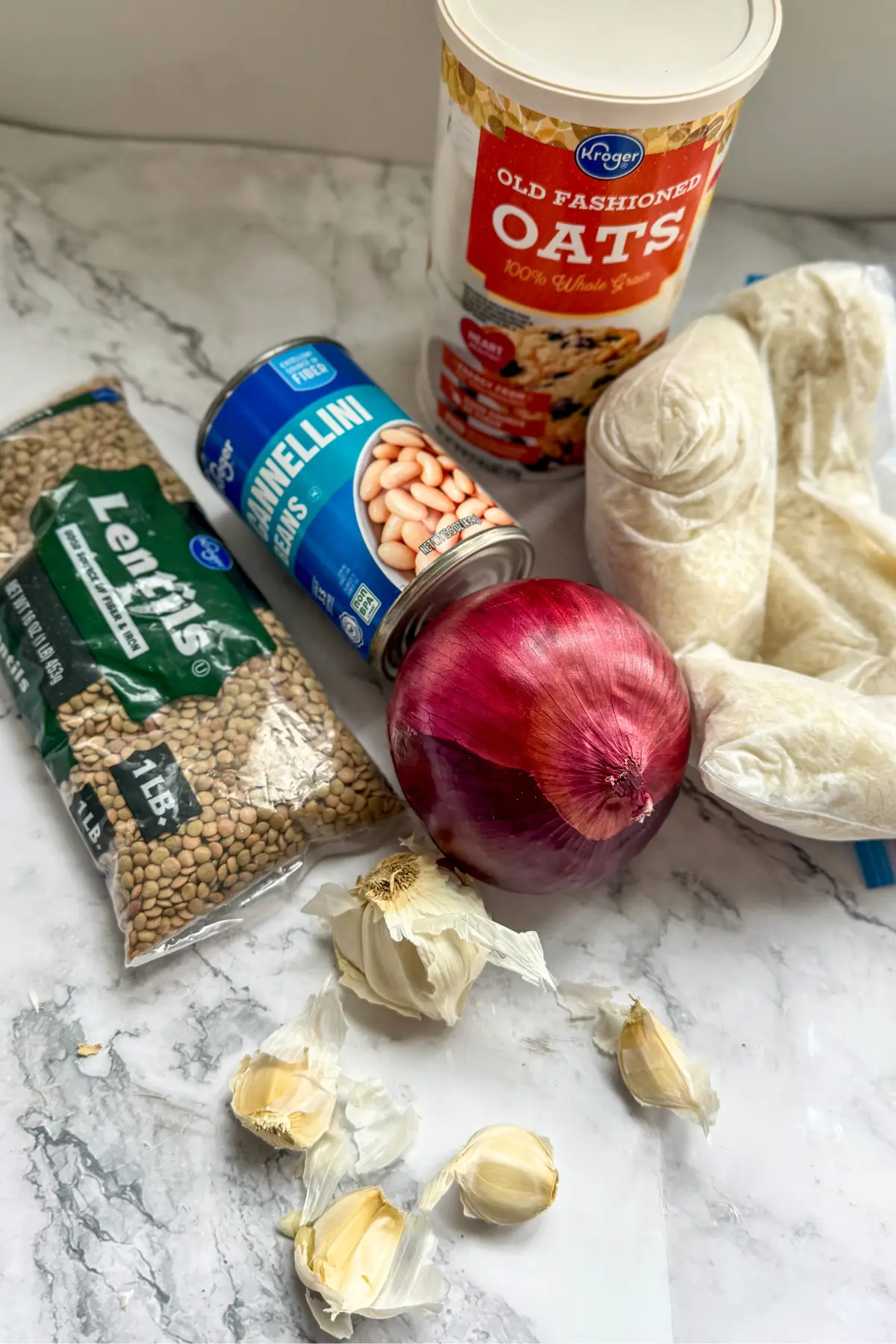
It’s great that we’re all trying to eat more fiber, but there’s a piece of the conversation that often gets missed: fiber diversity matters just as much as total fiber intake.
Most people think of fiber as just two categories: soluble and insoluble. And while that’s technically true, it’s also a huge oversimplification. Within each of those categories are many different types of fiber – each with its own role in the body, from digestion to blood sugar to gut health.
Under that soluble fiber umbrella is prebiotic fiber, which has gotten a lot more attention in recent years. Not just because it supports digestion, but because of how it interacts with the gut microbiome.
We’re now seeing research linking prebiotic fibers to things like metabolic health, inflammation, immune function, and even mood. In a nutshell: fiber is doing a lot more behind the scenes than most of us realize! Let’s break it down.
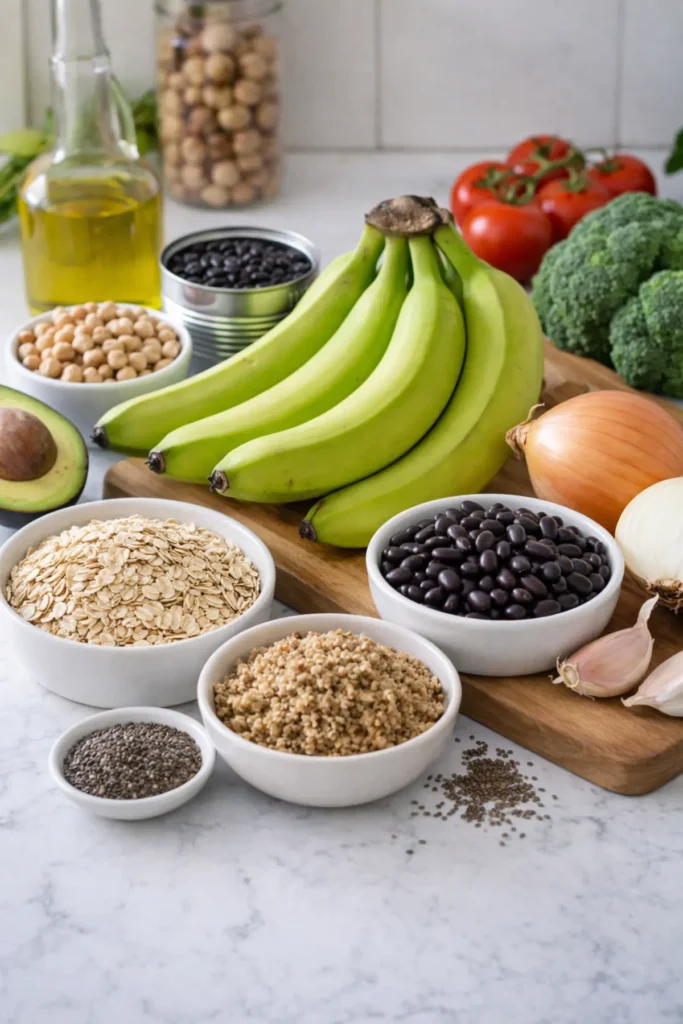
What is Prebiotic Fiber?
Prebiotic fiber is a type of fiber that feeds the beneficial bacteria in our gut. When you eat foods rich in prebiotic fiber, your gut bacteria ferment that fiber and produce compounds called short-chain fatty acids, which support digestion, gut health, and overall wellness.
Some of the most well-known prebiotic fibers include inulin, fructo-oligosaccharides (FOS), galacto-oligosaccharides (GOS), and resistant starch. I know those names sound complicated, but they’re simply found in everyday foods like garlic, onions, oats, bananas, and beans.
Why We Are Seeing More Prebiotic Fiber Products
The goal isn’t to track each specific type—it’s just to include a variety of fiber-rich foods in your routine so your gut bacteria actually have different “fuel” sources to work with.
That said, two of the most researched types – FOS and GOS – are naturally present in these foods, but in relatively small amounts. That’s part of why you’re seeing more products and supplements with added prebiotics – this is an attempt to increase intake beyond what we typically get from food alone.
This Doesn’t Mean You Need Those Products
But for most people, you don’t need to overthink it or rely on these products. Focusing on fiber diversity from real foods is still the most practical (and sustainable) way to support gut health.
I’ll also give you a simple grocery list and meal ideas to help make this easier.
One More Note: Let’s Talk Resistant Starch
Another type of fiber worth knowing about is resistant starch (RS). As the name suggests, it “resists” digestion in the upper part of the digestive tract and makes its way to the colon, where it can support gut health.
One of its key benefits is the production of butyrate, a short-chain fatty acid that plays an important role in colon health – so it’s often grouped with prebiotic fibers.

You might have heard that freezing your bread or rice makes it “healthier” – and this is why! Check out the infographic above for more RS foods.
Example Prebiotic Fiber Grocery List
Forget the expensive functional food products! This is your ultimate prebiotic fiber grocery list – save this one with your friends or just brag to them that you know all about this up-and-coming food trend.
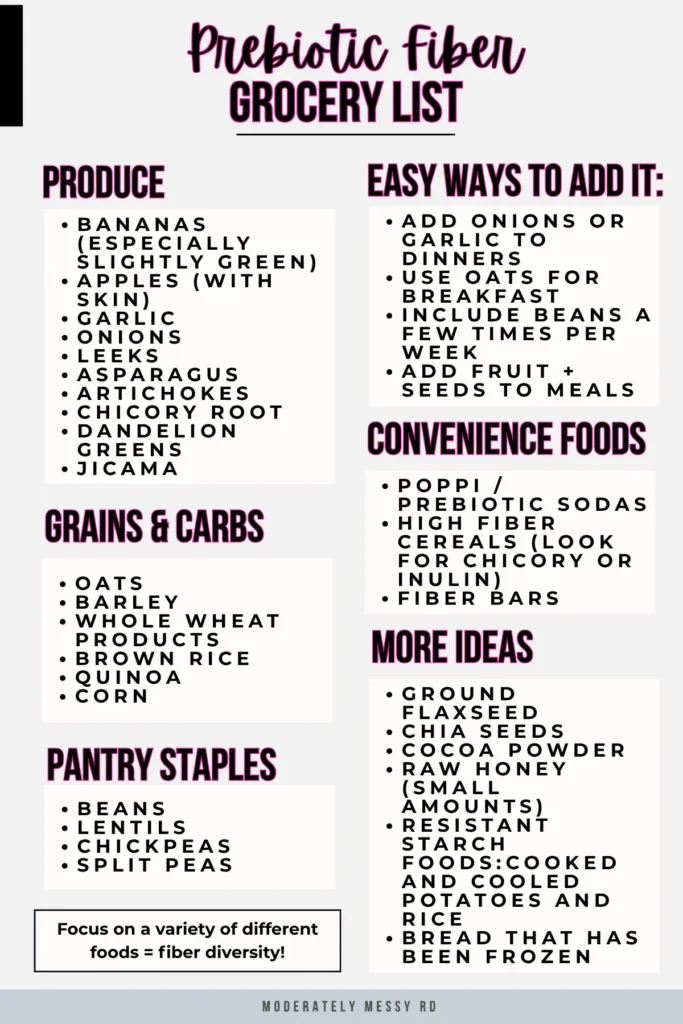
Produce (Fruits & Veggies)
- Bananas (the more green = the more resistant starch)
- Apples (with skin)
- Garlic
- Onions
- Leeks
- Asparagus
- Artichokes
- Chicory root (might be hard to find but becoming more available)
- Dandelion greens
- Jicama
- Potatoes (raw or buy potato starch)
Grains & Carbs
Another RD tip: cooked & cooked grains produce more resistant starch.
- Oats
- Barley
- Whole wheat products
- Brown rice
- Quinoa
- Corn
Pantry Staples
- Beans (black beans, kidney beans)
- Lentils
- Chickpeas
- Split peas
“Bonus” Prebiotic Add-Ins
- Ground flaxseed
- Chia seeds
- Cocoa powder
- Raw honey (small amounts)
- Resistant starch foods:
- cooked and cooled potatoes and rice.
- bread that has been frozen.
Packaged Convenience Options
- High-fiber cereals (look for chicory root/inulin)
- Prebiotic sodas (like Olipop/Poppi – optional mention)
- Fiber bars (with inulin, resistant starch)

Using These Foods in Meal and Snacks
Here are some real life food combinations to create meals and snacks with a good amount of prebiotic fiber! Plus, I will list some of my recipes so you can make them as well.
- Oatmeal + banana + chia seeds.
- Rice bowl + black beans + sautéed onions.
- Yogurt + apple + flaxseed.
- Overnight oats with cocoa + berries.

Actual Recipes You Can Make

Don’t Overdo It
Consuming too much fiber, too quickly, can produce some side effects that are not very fun – like bloating, gas, and abdominal pain. Below are some tips to introducing fiber and I also recommend reading my Fiber Layering post that discusses the benefits of sprinkling fiber throughout the day!
- Increase fiber gradually, over the course of a few weeks.
- Spread intake throughout the day.
- Drink enough fluids.
- Soak beans and legumes overnight.
- Take Beano and Gas-X.
Who Might Need to Be Careful
Some people with IBS may have a difficult time tolerating certain types of fiber. Instead of removing fiber completely, focus on the foods that work for you.
More Resources
In a few years, when prebiotic fiber is everywhere, you are going to be thinking “well, I have known about this for years!”. You will have been using the grocery list and implementing some of these recipes into your day-to-day.
Truly, I hope you found this information useful. Below are more resources that showcase the importance of fiber diversity!